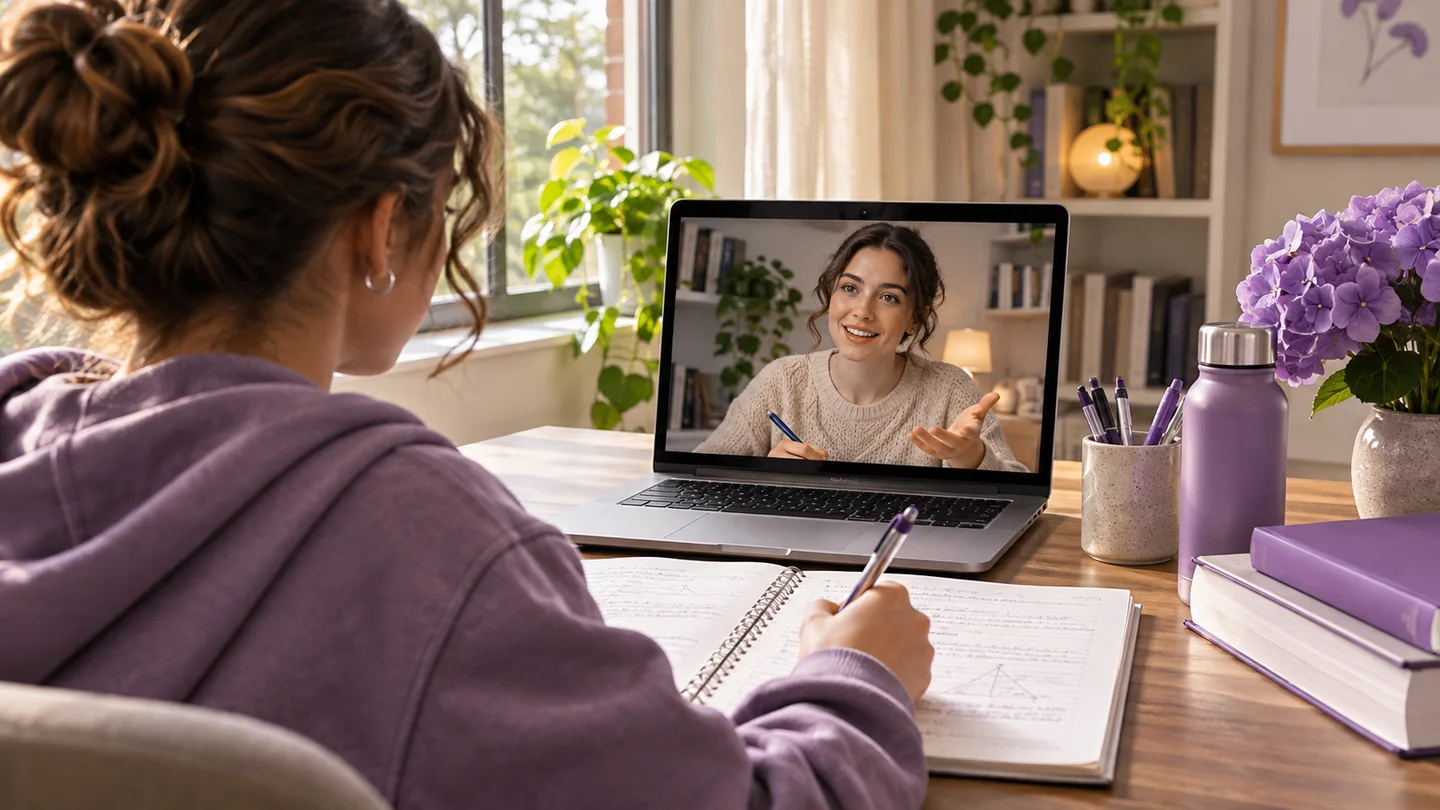
Personalized learning starts with a specific question about the learner’s next step. Two students struggling with fractions may need different lessons. One may need to compare quantities visually. The other may understand the concept and need practice with common denominators. A short diagnostic and an explanation from the student can help you tell the difference.
Build a plan around observable progress
- Name a goal. Choose a skill the learner can demonstrate, such as explaining why two fractions are equivalent.
- Check the starting point. Use a few unfamiliar questions and ask the learner to explain their reasoning.
- Match the practice to the gap. Start with a worked example, then change the numbers or the context and have the learner try independently.
- Revisit the skill after a delay. Use a fresh prompt to see what the student remembers and what still needs support.
- Adjust one thing at a time. If the student still struggles, change the representation, prerequisites or amount of guided practice and check again.
The What Works Clearinghouse practice guide discusses spacing reviews and alternating worked examples with independent problems.
Use technology for feedback the learner can act on
In a 2027–2030 learning plan, adaptive quizzes or AI-generated examples can offer extra practice. Check generated material against the syllabus and confirmed answers. Ask the student to explain a choice or solve a new question without a tool before concluding that the skill has stuck. Keep learning records limited to information the family or tutor needs to guide practice.
Review the plan every few weeks
Keep a short record of the goal, one successful example and one next step. A tutor can use it to decide whether to fill a prerequisite gap, change the explanation or move to a harder task. A student can use it to see what they can now do alone. Read Strategies for Mastering Difficult Subjects for a sample practice routine.